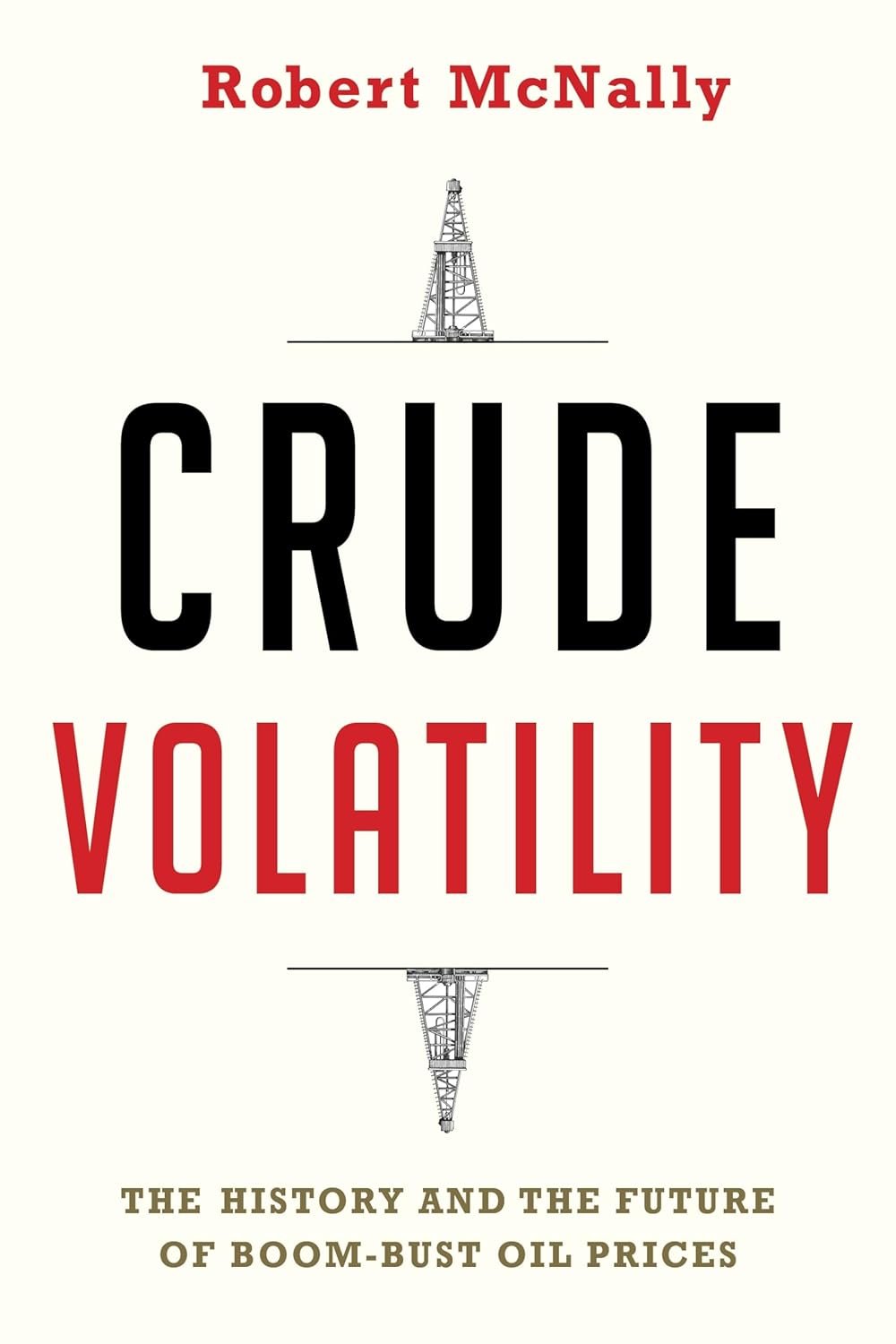
If you’ve ever found yourself bewildered by the rollercoaster ride of oil prices—from dizzying highs to sudden crashes—Crude Volatility: The History and the Future of Boom-Bust Oil Prices is like that wise friend who unravels the chaos with a calm nod and a thoughtful explanation. Written by Robert McNally, a seasoned expert in oil markets, this book takes readers on a time-traveling journey through the wild world of oil pricing. It’s neither too technical nor drier than a Texas oil rig at noon, which makes it an approachable read for anyone curious about why oil prices bounce around so much and why it matters to the global economy and geopolitics.
Key Features
First off, McNally doesn’t just toss you into the deep end of the oil barrel. The book is packed with historical insights, tracing oil’s impact from the 1860s Pennsylvania oil rush right up to today’s complicated Middle Eastern dynamics. This long view is crucial because it shows how the patterns of boom and bust are nothing new—and why past efforts to stabilize prices have been such a mixed bag.
One of the most intriguing parts is learning how powerful players like Rockefeller’s Standard Oil, U.S. regulators, and eventually OPEC tried their darnedest to put a leash on the oil market beast. These interventions, some Herculean, underscore the high stakes involved. When OPEC’s grip started slipping over the past decade, it opened the floodgates to unprecedented volatility, throwing markets into chaos yet again.
Readers also give a thumbs-up to the book’s graphics and illustrations. You’ll find well-crafted charts that clarify complicated trends without overwhelming you—sort of like a friendly oil industry map for those of us who don’t speak in barrels per day or futures contracts fluently.
On the plus side, customers praise Crude Volatility for being an excellent, readable overview of oil market dynamics. It’s informative yet engaging, which is no small feat for a subject that could easily become a snooze fest. The narrative blends history with modern economic analysis smoothly, lighting up the typically murky world of energy economics.
Discover the Future of Oil Prices
One reviewer mentioned the book “never gets too technical or dry,” making it accessible for non-experts who want to understand why oil prices seem to have a mind of their own. The inclusion of quality illustrations also earns consistent applause, enhancing comprehension and keeping readers engaged.
On the downside, a few readers wished for a deeper dive into the future policy recommendations. While McNally offers thoughtful advice, some felt it skimmed over the potential impact of emerging energy technologies and geopolitics in finer detail. Others pointed out that, if you’re looking for a step-by-step guide to investing or trading oil, this isn’t the book for you—it’s more about understanding the big-picture fluctuations than day-to-day market moves.
Who Is It For?
If you’re a student of economics, a policy wonk, or even just someone who watches the nightly news and wonders why gas prices seem to sound like a weather forecast, this book is right up your alley. It suits readers who appreciate history’s lessons informing today’s headlines, and those who want a solid grasp of energy policy without needing a PhD.
Business professionals dealing with commodities, journalists covering global markets, and curious readers fascinated by how energy shapes politics will all find valuable insights here. But if you’re expecting a technical manual or a breezy beach read, you might want to keep looking—or at least bring a wry smile and a strong cup of coffee along for the ride.
Explore the History of Crude Volatility
Final Thoughts
Crude Volatility reminds us that oil prices don’t just go up or down for random reasons; they pulse with decades of history, market maneuvers, and geopolitical drama. Robert McNally’s expert yet accessible storytelling demystifies this complex subject, making it both enlightening and surprisingly entertaining.
While the book’s strength lies in its broad historical and economic perspective, a reader hungry for detailed future forecasts or trading tips might find it a bit light. Still, for anyone hoping to understand why the oil market whipsaws and what that means for the world, Crude Volatility is a sturdy, insightful companion.
Get Your Copy of This Insightful Book
So next time you glance at the pump or read about OPEC’s latest move, you’ll have a better idea of the forces at play—not just in the market, but in the very history that shaped it. And that, I’d say, is no small thing.
As an Amazon Associate, I earn from qualifying purchases.
If you are looking for more information on commodity trading, trading advisories, brokers. trading platforms, trading systems, copy trading and more please visit our resources page: